

Choosing a Fine Art Landscape Print
Ever since I launched my site in 2013 I have offered Fine Art Landscape Prints predominantly featuring the Irish landscape, but also some unique international regions also. I have been very humbled to have sold my work around the world and have great appreciation that my customers love to hang my work in their homes.
Utilising the finest Hahnemuehle PhotoRag 308 matte paper, my landscape prints render beautifully on this premium archival paper. The level of detail that is visible using archival inks on this medium is amazing and to be able to inspect the image either near or far in such a tangible manner is highly satisfying.
Hahnemuehle’s paper making history goes back over more than 430 years with the paper mill that it currently operates in was commissioned in 1584. They were the purveyors of the finest handmade writing and foolscap papers and today create the finest Fine Art Inkjet paper. When printing I utilise the Epson P800 printer for prints up to 18x12 inches and for larger sizes I use certified specialist printing labs. My workflow is calibrated and tested end to end to ensure the finest possible prints are made and they are rated to last up to 200 years without any colour degradation when hung in optimal conditions, this ensures your investment will be seen for generations.
If you are looking to enhance your home with beautiful Irish landscape prints, I have written a short guide to help you make the best choice for you:
Choose your preferred style: Irish landscape photography prints come in various styles, from vibrant and colourful images to more subdued colours. Consider your existing interior design aesthetic and personal preferences when selecting a style that suits your taste. Bright colourful spaces lend well to more vibrant photography, where as subtle more neutral toned rooms benefit from prints with subdued colours or black and white prints.
Select the right size: Decide where you want to display your prints and measure the available space. Consider whether you want a single large statement piece or a collection of smaller prints to create a gallery wall. Popular sizes for landscape photography prints start at 8x10 inches but significantly larger artwork is available from me. Interior designer’s often advocate for artwork to ideally take up to 1/2 to 2/3rds of empty space on a blank wall. If placing above furniture like a couch, measure from the top of the coach to the top of the wall as follows:
MAX ART WIDTH = WALL WIDTH X (2/3)
MAX ART HEIGHT= WALL HEIGHT X (2/3)
MIN ART WIDTH = WALL WIDTH X (1/2)
MIN ART HEGHT = WALL HEIGHT X (1/2)
Consider framing options: Once you have selected your prints, consider how you want to display them. Choose a premium frame that complements the style and colours of the print. My recommendation is to also use UV protective glass when getting your print framed as this will help the longevity of the print by working in tandem with the archival print process by maximising colour rendition many decades after purchase.
Irish landscape photography prints are a great way to bring the beauty of Ireland into your home for anyone in Ireland or internationally. I have found when my clients have followed this advice and chose the right prints, sizes, styles, and framing options, they have created a stunning display that enhances their home.
I hope this information has been useful to you as to how I ensure the highest quality pieces of artwork are created before they make it to their final destination. If you have any further questions or are interested in custom orders, I would be happy to discuss them here.

Montenegro
The Adriatic sits as the serene gateway between Central Europe and the westerly fringes of the Balkan Peninsula, hosting some of the most stunning coastlines and countries steeped in history. Having travelled these region on numerous occasions I have always been fascinated with its maritime affiliation intertwined with a slower pace of life, all while being set amongst some of the most stunning landscapes in Europe. This time I managed to travel to something that’s been on my landscape bucket list for a long time, Montenegro.
Starting in the Northern part of the country, after a steady 3 hour windy drive from the Bay of Kotor, the stunning surroundings of Durmitor National Park rises towards you as you near. Encompassing the Dinaric Alps and hosting the country’s famous Black Lake, it is home to wild bears and wolves, this UNESCO world heritage centre provides some incredible landscapes to explore. My only regret was not organising to stay even longer than the time I had there, but I have every intention to return in the future.

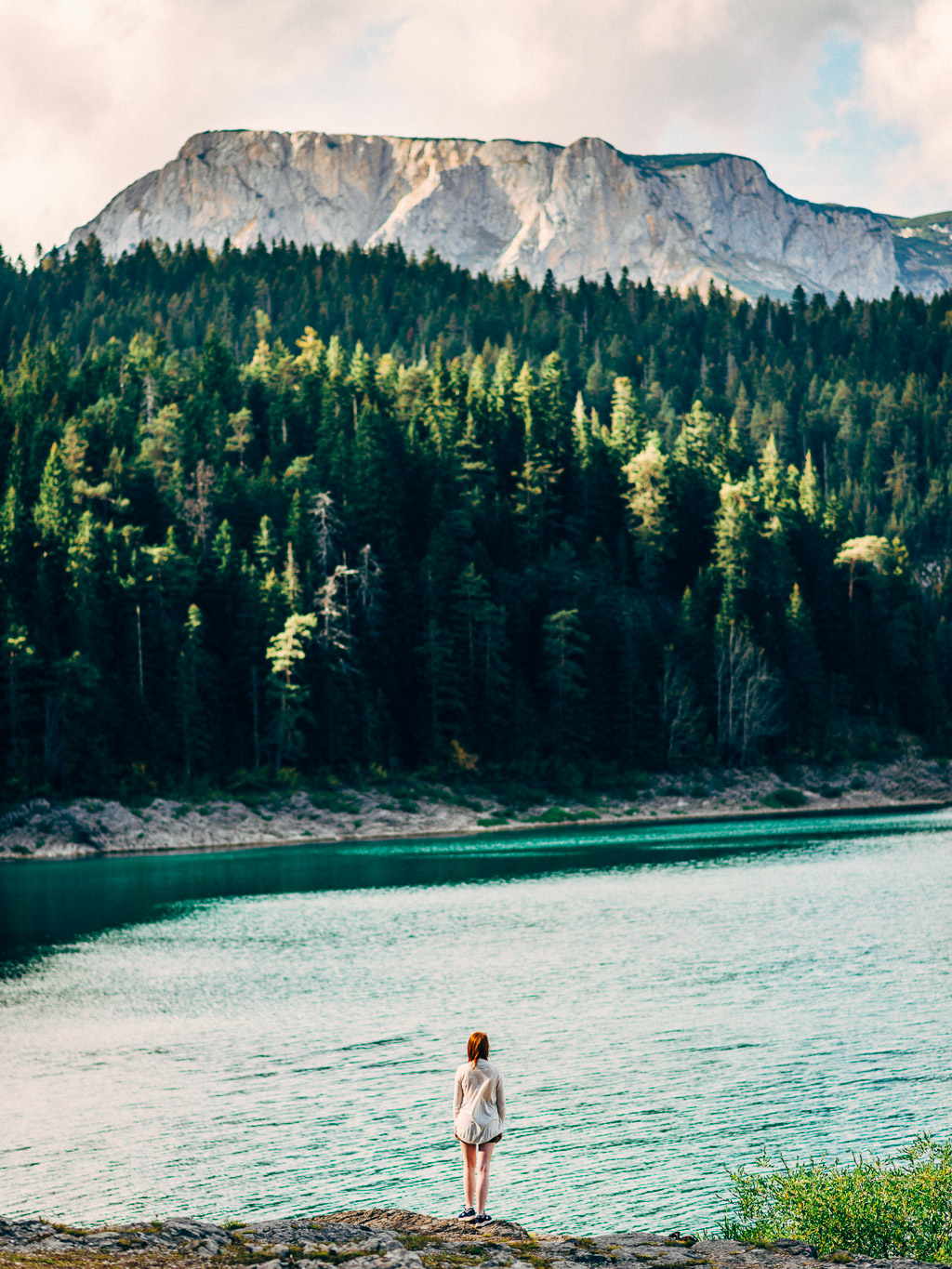
Having visited the country in October, the indigenous pine laden northern landscapes were dotted with splashes of iconic autumnal hues of yellows and reds. The drive to this region from the south west is breathtaking and the serpentine roads through the mountains, particularly at autumn are something to be admired.
Overlooking the Tara River Canyon, one can really appreciate the serenity of this region of the less famous Dinaric Alps. Open to kayaking and zip lining or quiet get away, it is truly beautiful


One of the most immediate draws I had to Montenegro was my discovery of the Bay of Kotor. This incredible fjord region on the west coast of the country draws every visitor in to it’s incredible surroundings dotted with small villages all around it’s meandering bay.
Featuring Old Towns, chapels, man made islands and stunning mountainous views, this region was one of my favourites during my time here. Particularly relaxing was the numerous waterside restaurants where one could get a breakfast omelette and an espresso for around €5!


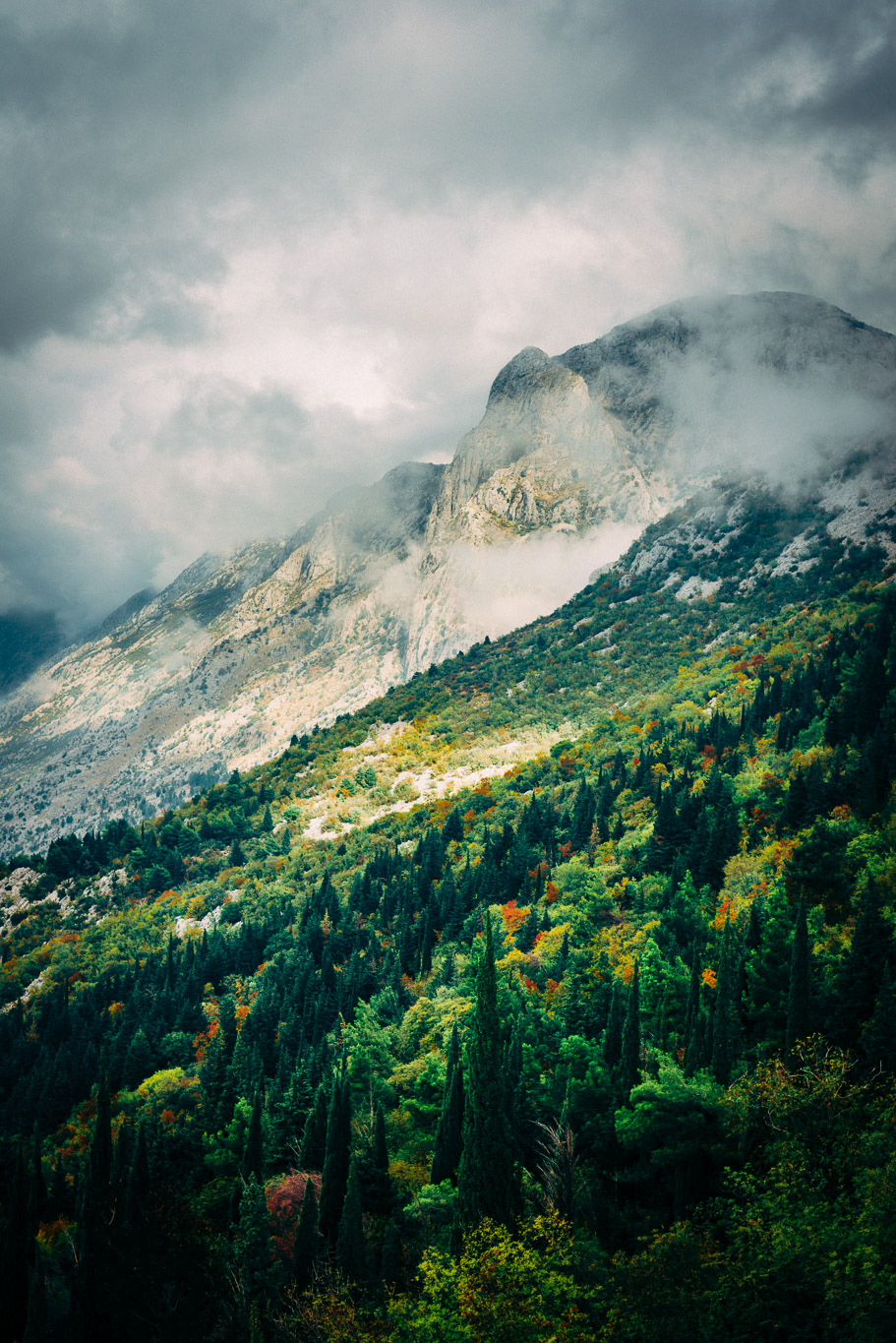
One small village on the fjord’s coastline is Perast. This beautifully peaceful area hosts a small road that runs alongside the shoreline with numerous eateries spaced among little docks, all built in the traditional sandstone architectural form that is so iconic in the Adriatic region.
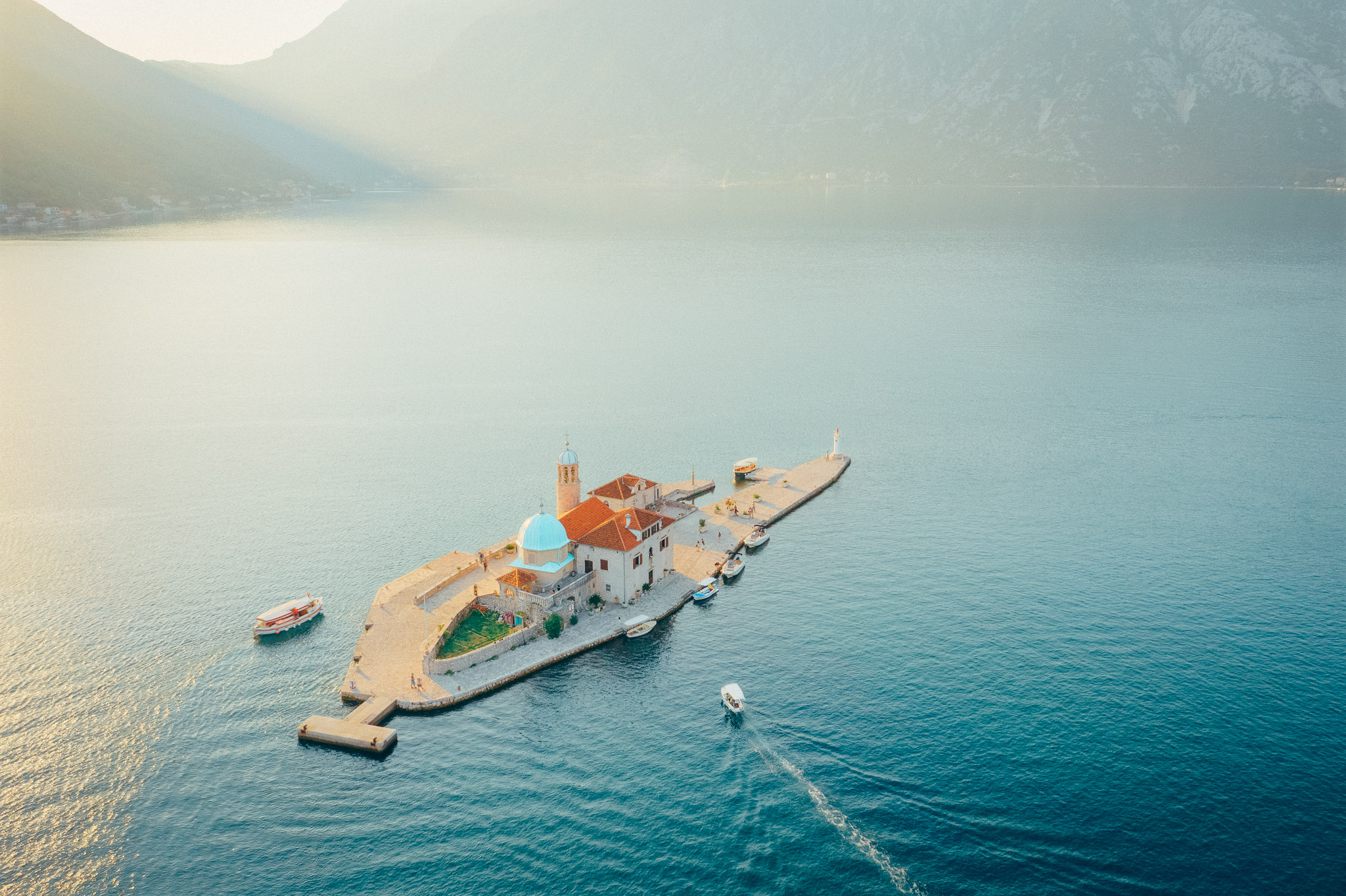
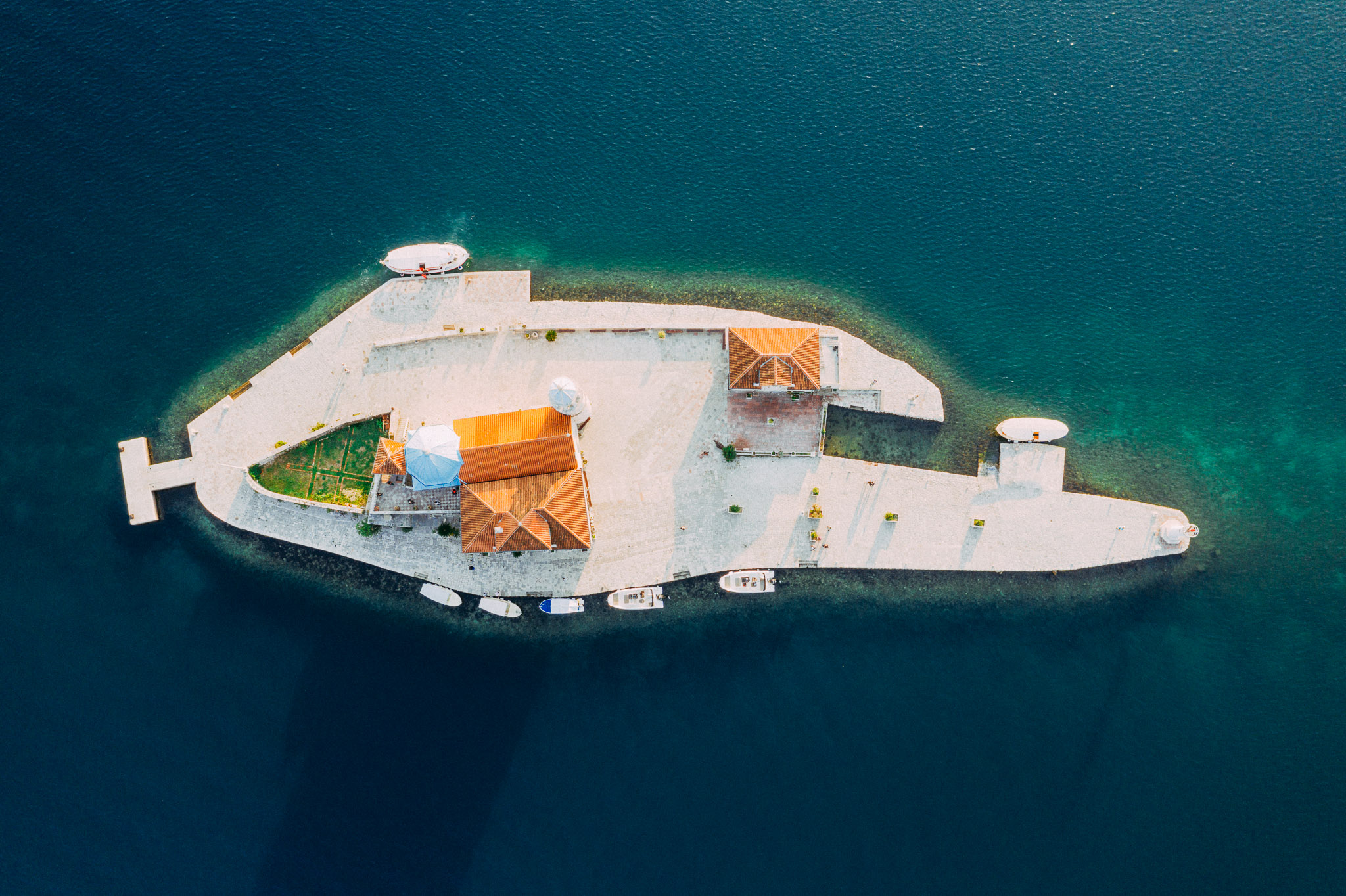
One of Bay of Kotor’s most iconic sights is the manmade island of Our Lady of the Rocks whose foundations are made from a mixture of generic rock coupled with old and seized ships that were also loaded with rock.
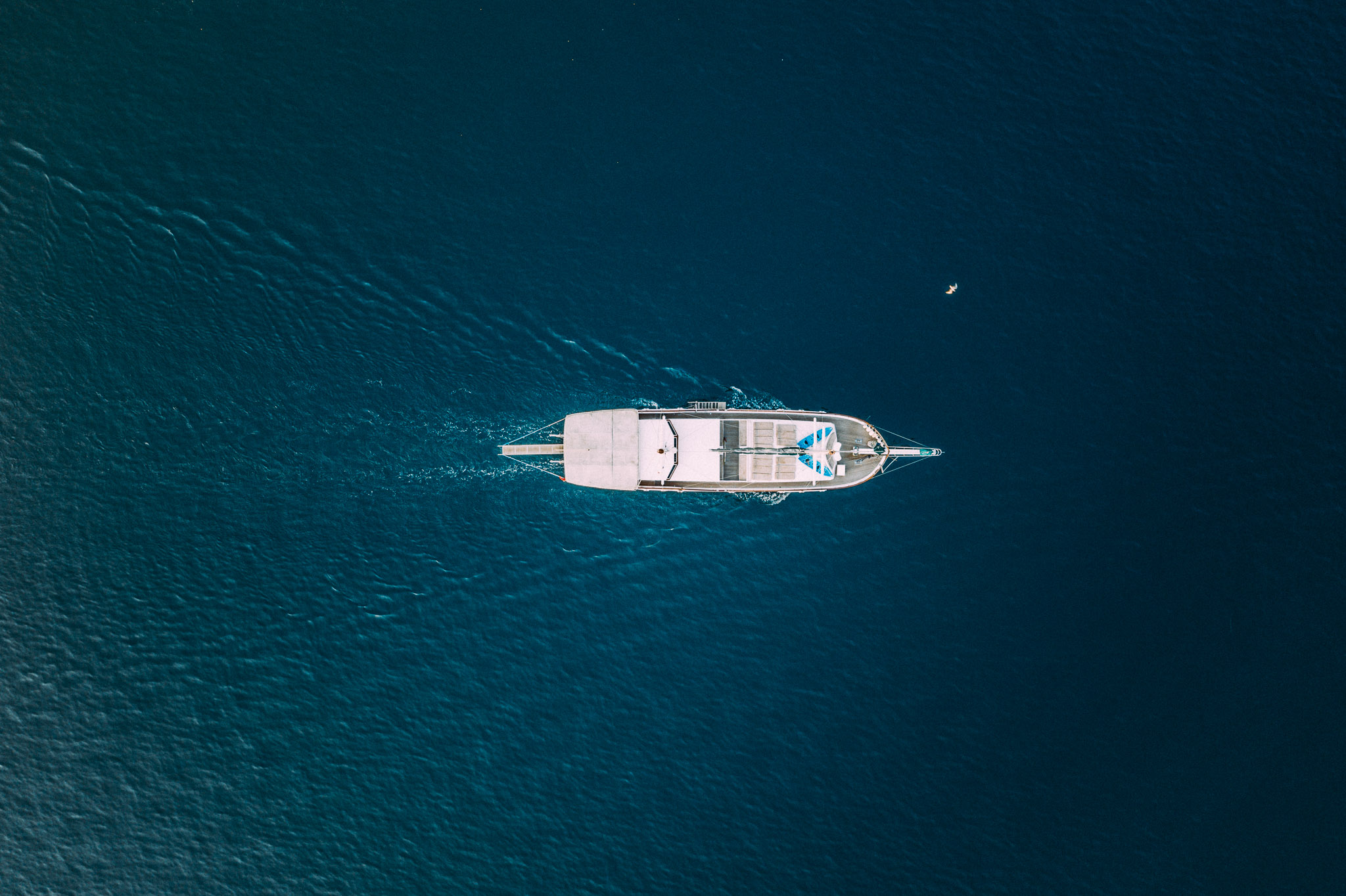
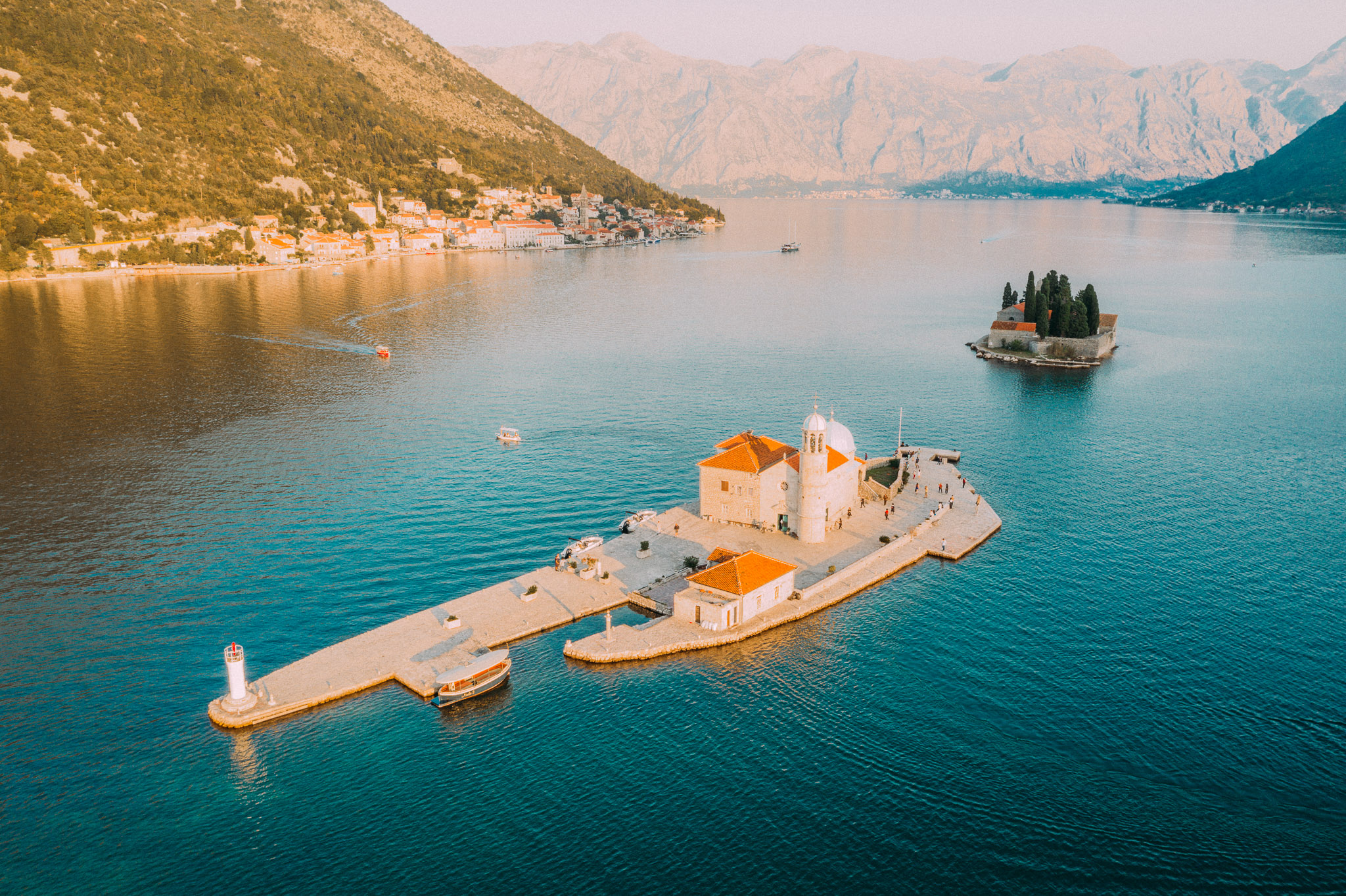
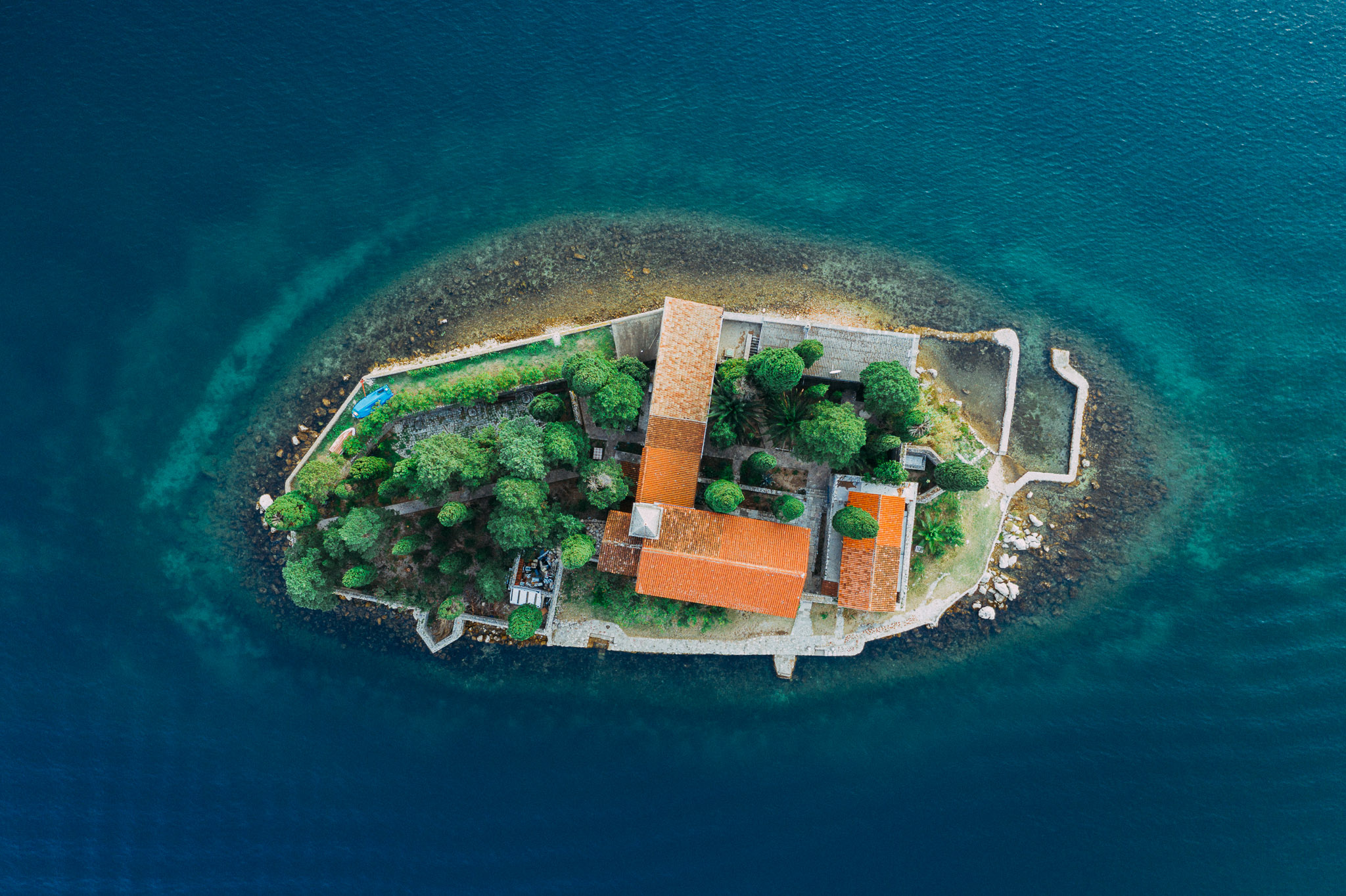
The Adriatic coastline never fails to impress, regardless of which international border it laps against. Budva being the most famous of Montenegro’s coastal towns, it is home to a stunning Old Town, with narrow cobblestone lanes that open into a variety of beautiful plazas featuring plenty of al fresco dining options.
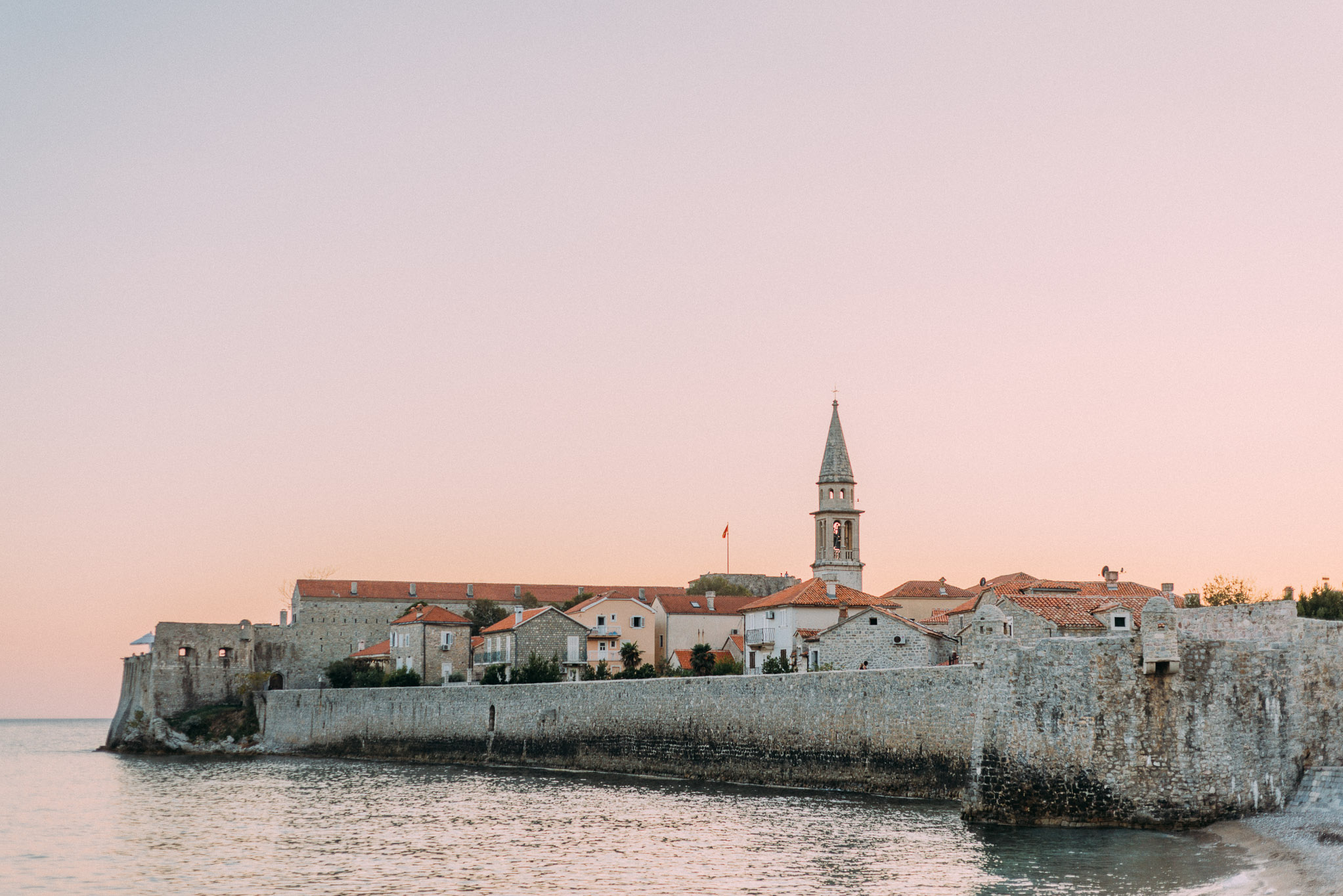
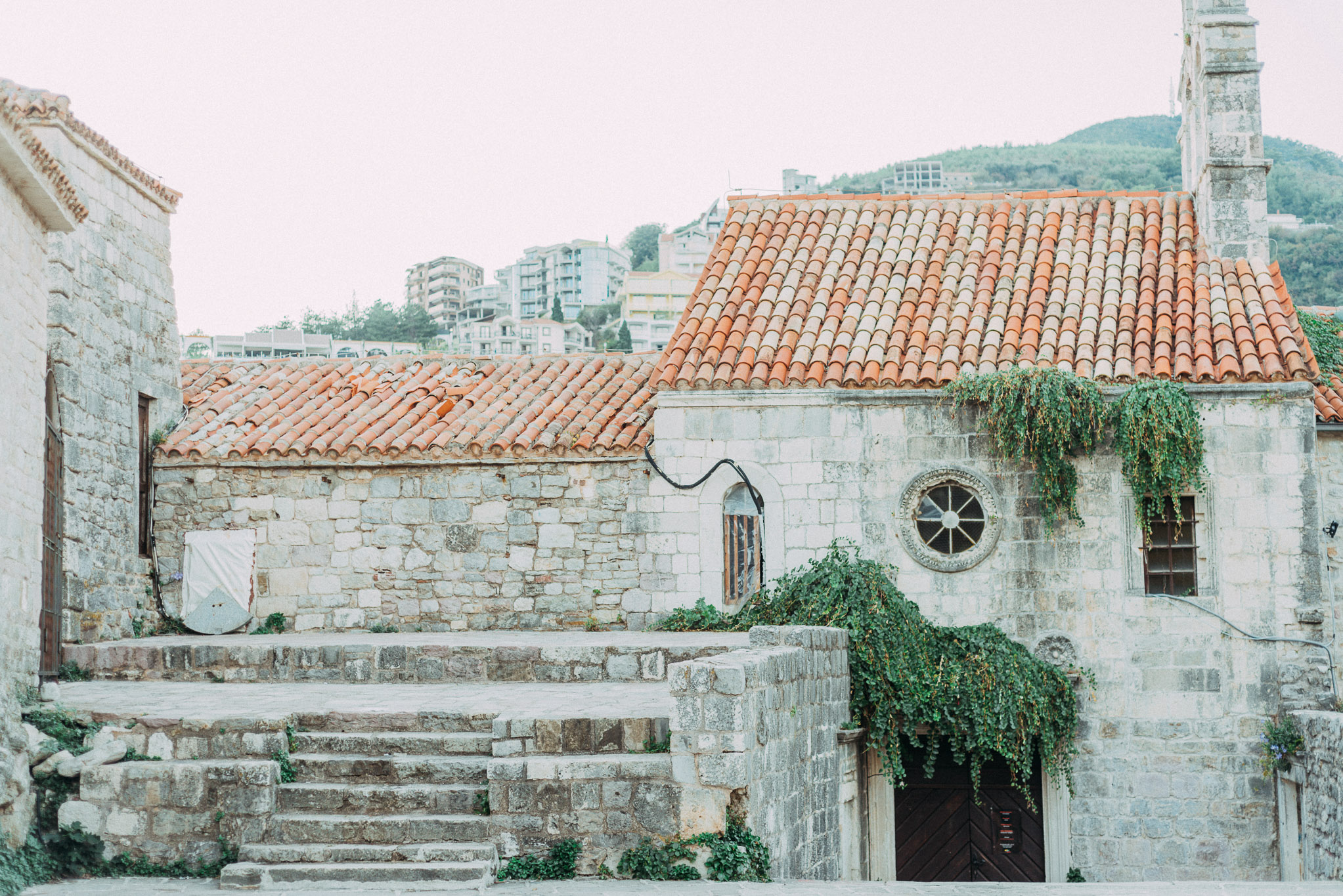
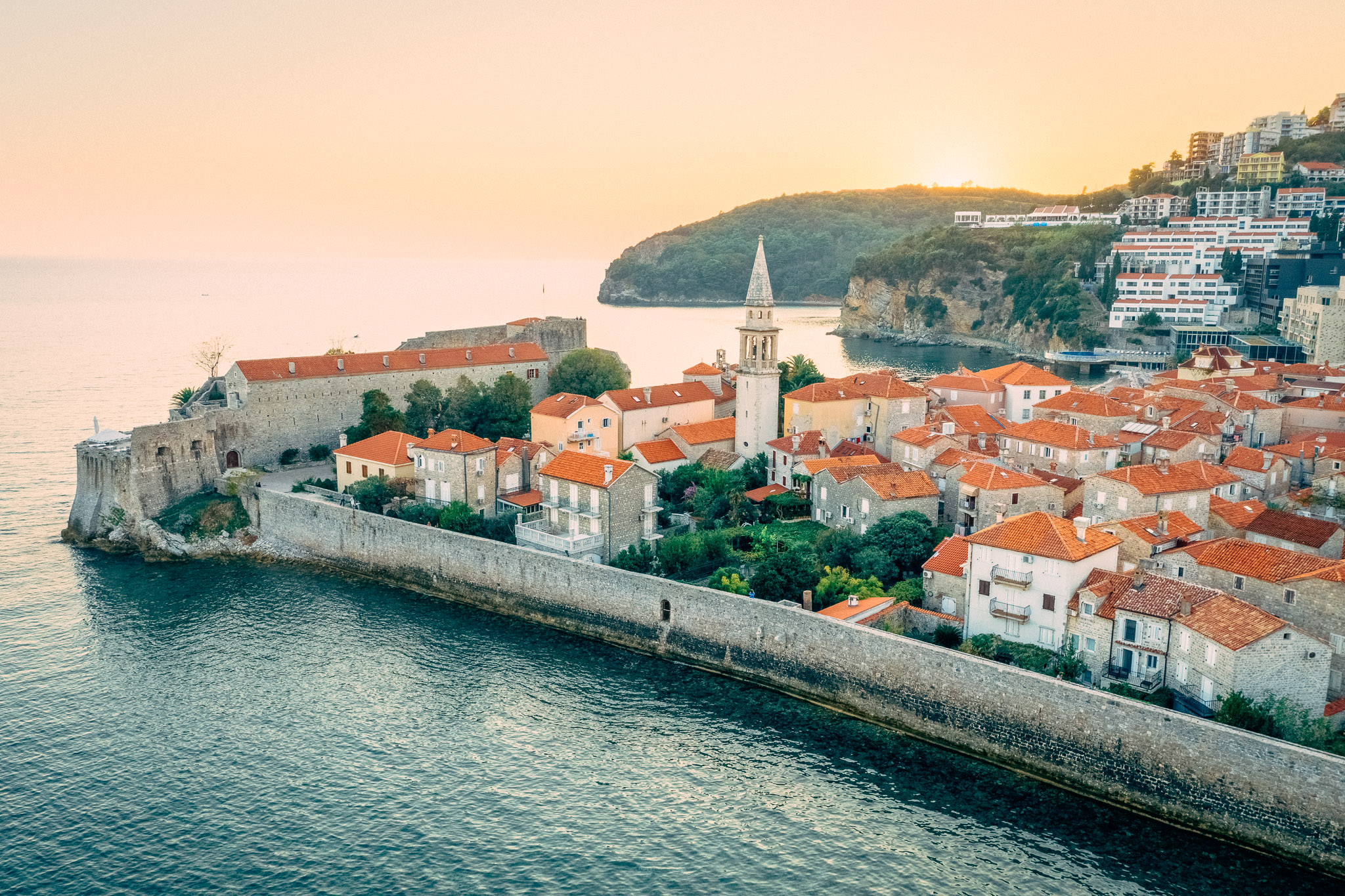
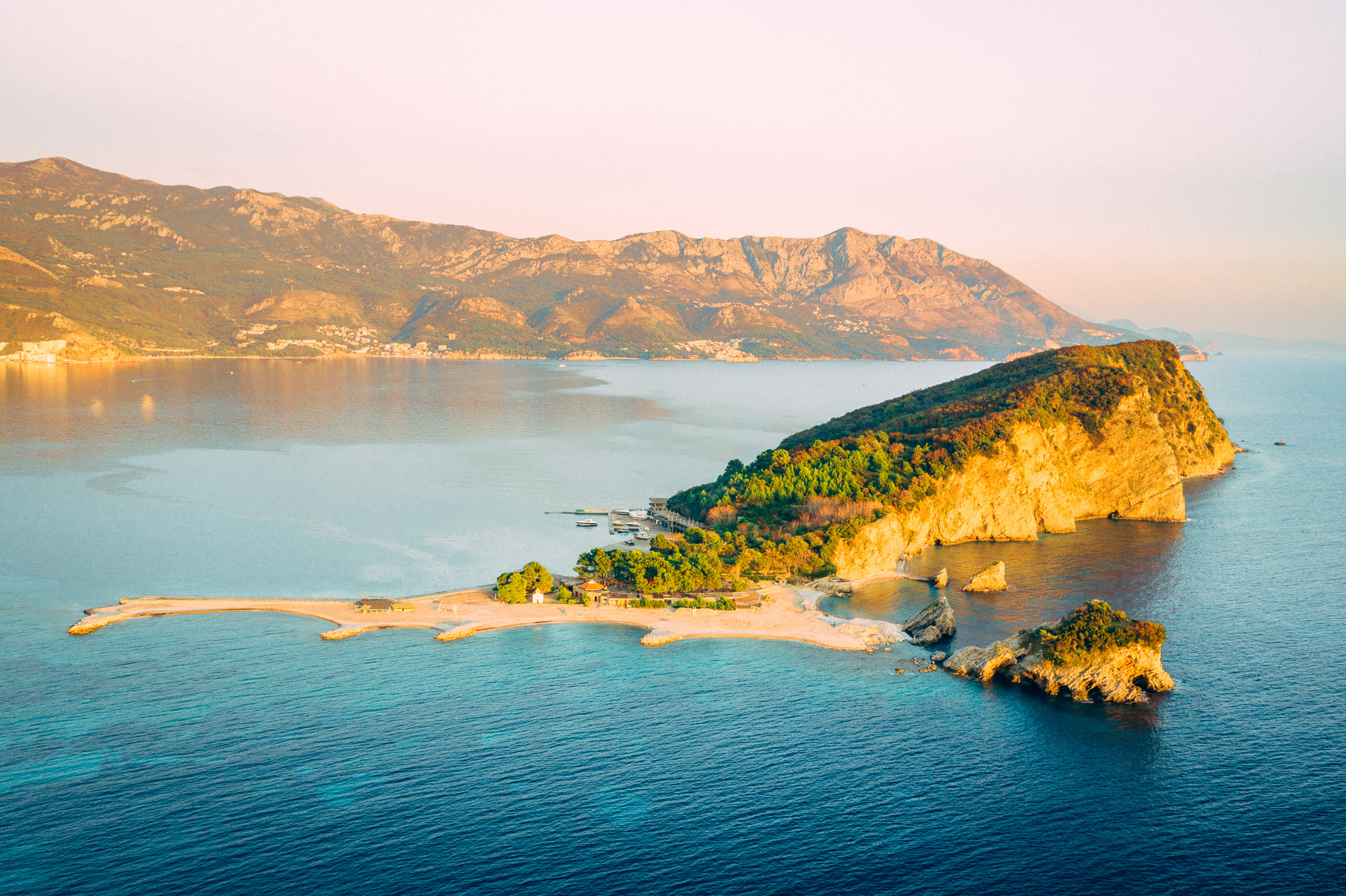
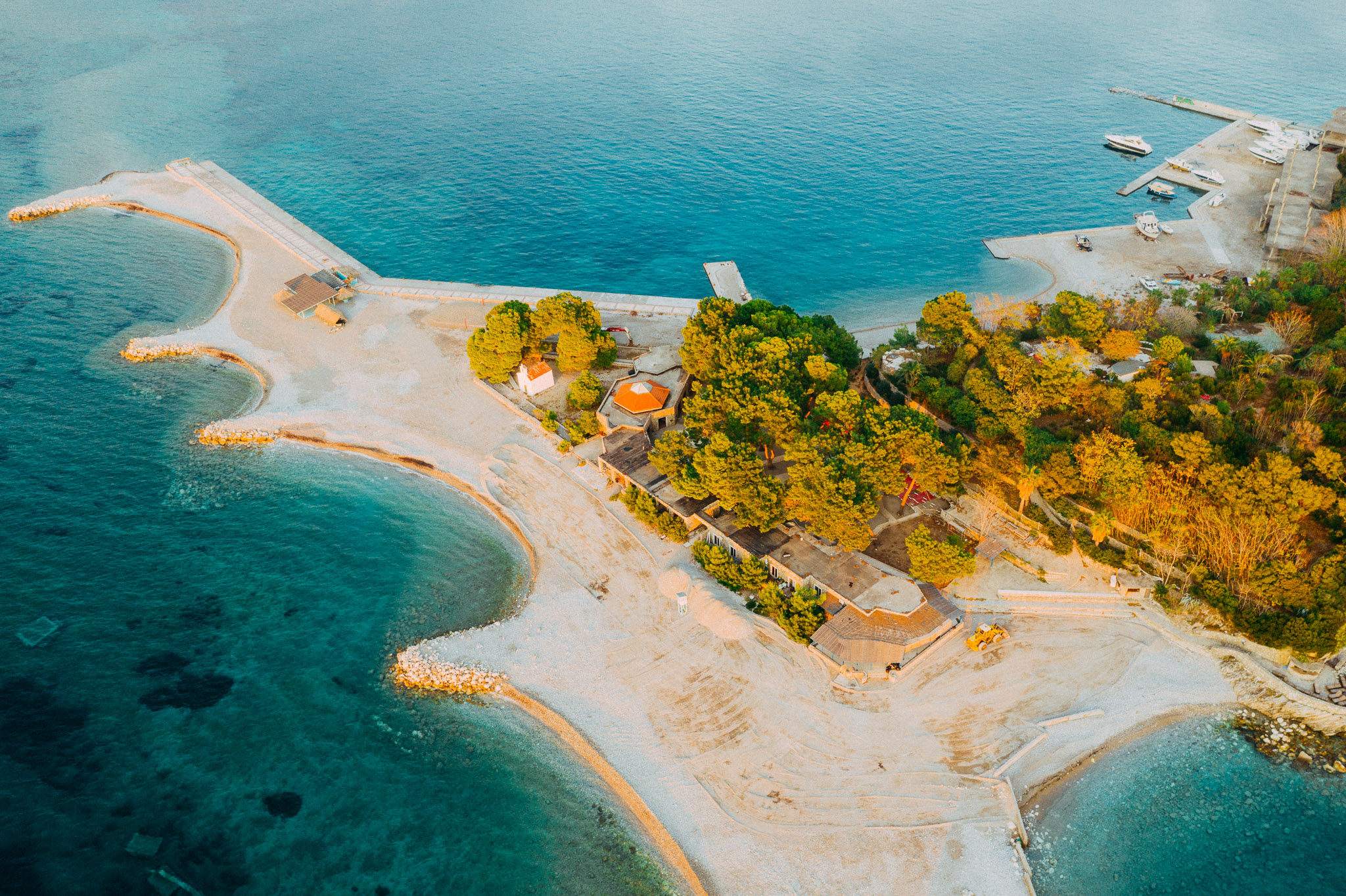
Within viewing distance from the old town and available for excursions, is the small island of Sveti Nikola, set amongst the crystal clear waters of the Adriatic.

Other small fishing and elite establishments could be found in the sleepy village of Petrovac or the more northerly and famous private resort of Sveti Stefan.
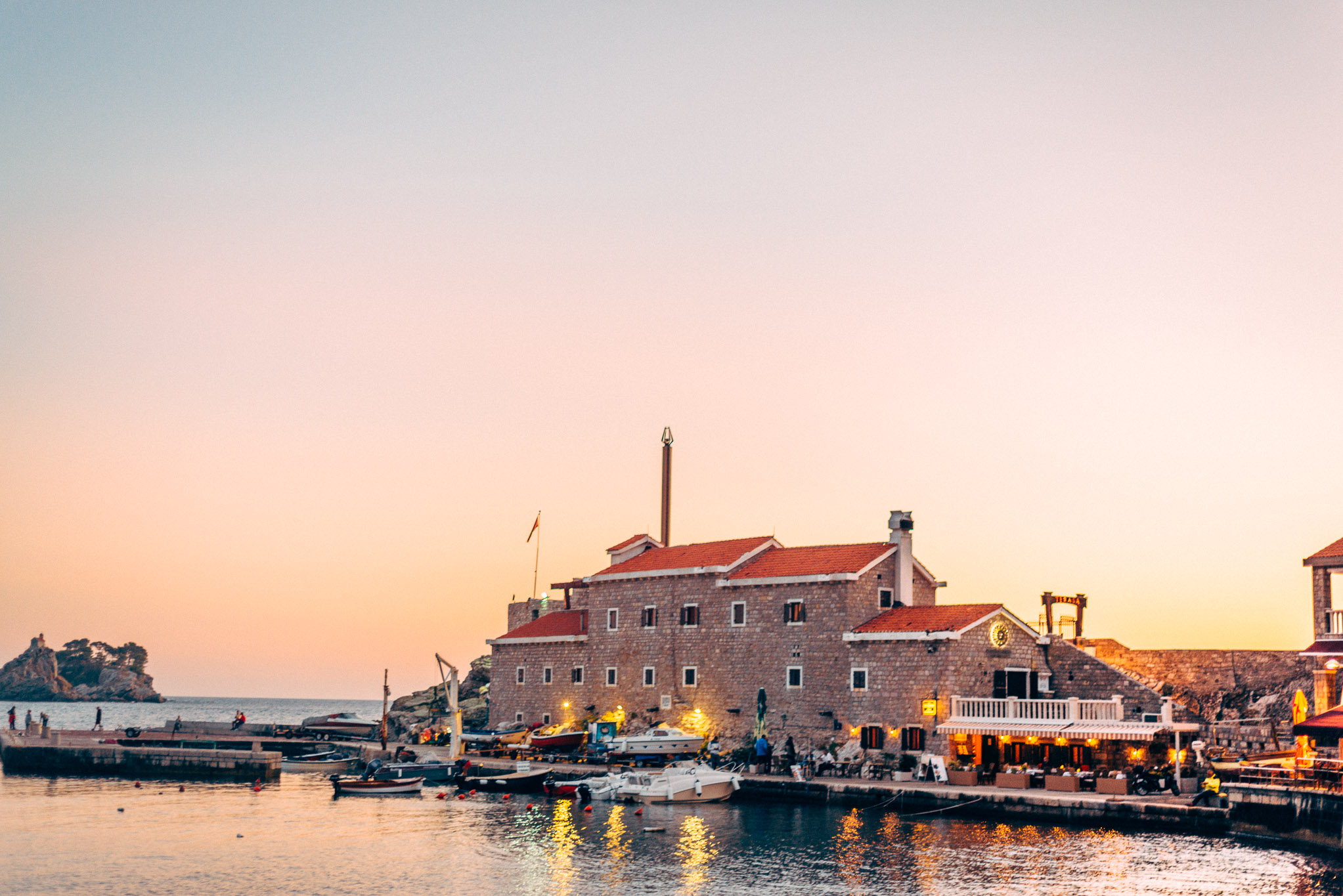
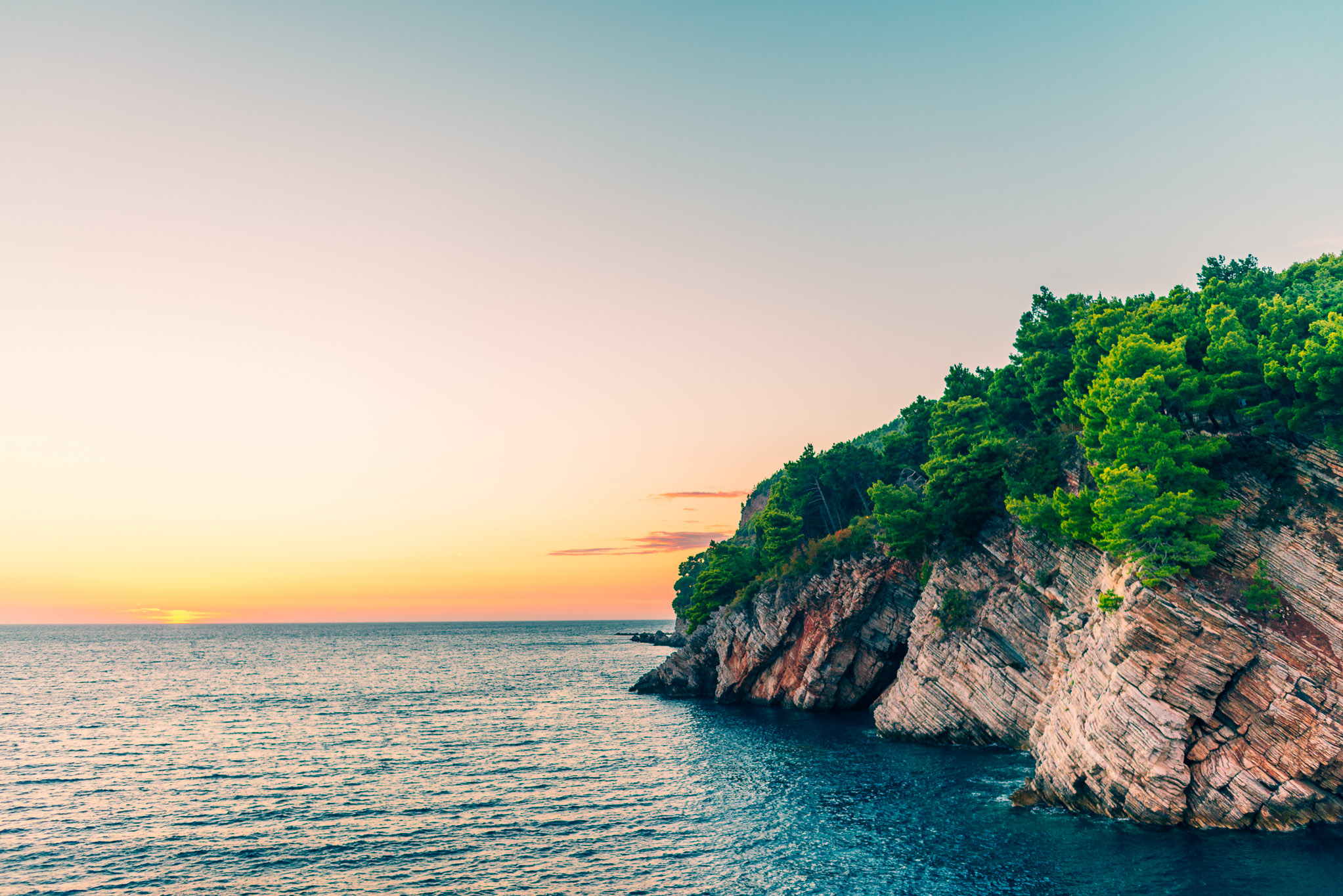
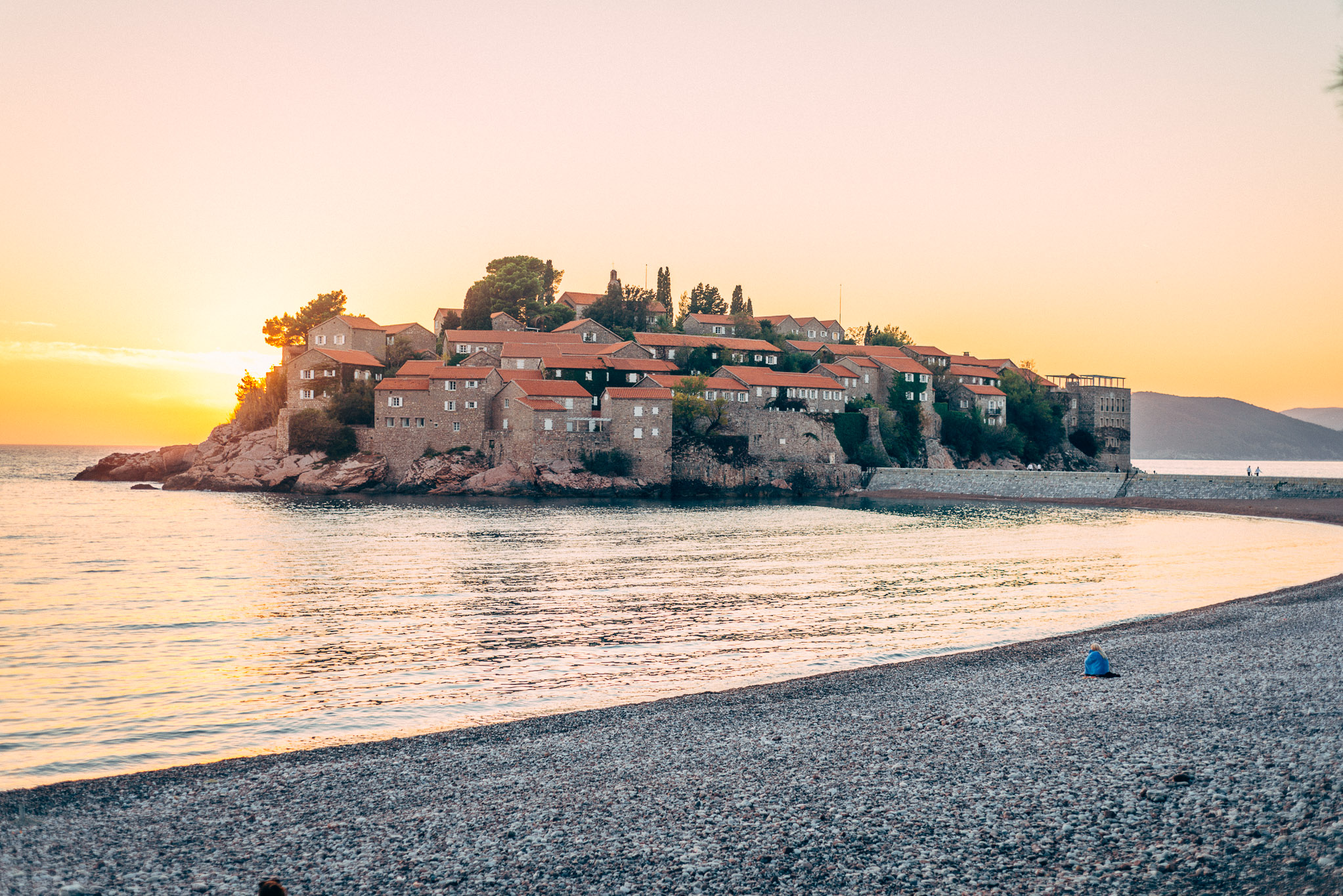
Despite the country's miniature size and situated next to its more popular neighbour Croatia, Montenegro manages to feature an incredible range of landscapes and I hope to return again to the northern region of the country to explore the Dinaric Alps even further.